
Uveitis
What is Uveitis?
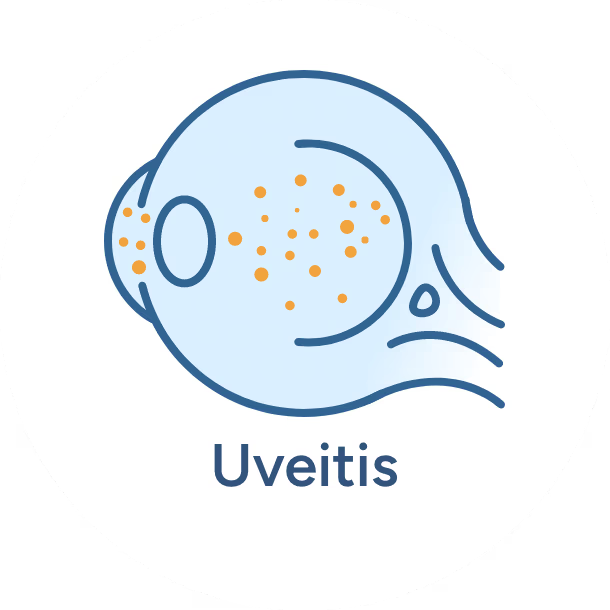
Uveitis refers to inflammation in the eye, involving the uvea, the middle layer of the eye. Most of the time this is an autoimmune process although infections can also cause uveitis.
What are the Different Types of Uveitis?
- Anterior Uveitis: Affects the front of the eye including the iris and ciliary body.
- Intermediate Uveitis: Affects the middle part of the eye including the ciliary body and vitreous.
- Posterior Uveitis: Affects the back of the eye including the choroid and retina.
- Panuveitis: Affects the entire eye.
What are the Symptoms of Uveitis?
Symptoms of uveitis may include eye redness, pain, sensitivity to light, blurred vision, and floaters or spots in the vision or loss of vision in more severe cases.
How is Uveitis Diagnosed?
In addition to clinical examination, common tests include:
- Optical coherence tomography (OCT)
- Fluorescein and ICG dye-based angiography.
Blood tests and/or medical imaging may be needed to identify and assess any underlying causes of inflammation.
How is Uveitis Treated?
Treatment for uveitis depends on the type and severity of inflammation and may include:
- Topical steroids: Eye drops to reduce inflammation.
- Oral steroids: For more severe cases to reduce inflammation throughout the eye.
- Immunosuppression: Medications that suppress the immune system may be necessary for certain types of uveitis. In these cases, input from an immunologist or rheumatologist may be required.
Eye conditions we treat
Explore the range of eye conditions we can help manage and treat for better vision and eye health.